expert tips for thriving indoor protea plant care success
Protea plants, with their striking blooms and unique foliage, are a stunning choice for indoor gardening. Known for their resilience and diversity, these flowering plants can thrive indoors when given the right conditions. In this article, we will explore expert tips to ensure your indoor protea flourishes and adds vibrant life to your home.
Understanding Protea Plants
Proteas are native to Southern Africa and are part of a family known for its distinctive flower shapes and textures. They thrive in well-drained soils and an abundance of sunlight, mimicking their natural habitat. For indoor protea care, understanding their specific requirements is crucial to achieving success.
Choosing the Right Potting Mix
One of the most critical factors in caring for indoor proteas is the potting mix. These plants prefer a well-aerated, sandy mix that drains efficiently. A combination of cactus soil and perlite works wonderfully. This ensures that the roots do not become waterlogged, which can lead to root rot. Additionally, you can add pine bark to replicate the natural acidic conditions that proteas favour.
Light Requirements
Proteas require plenty of bright light to thrive. Ideally, position your plant near a south or west-facing window where it can receive at least six hours of direct sunlight daily. If natural light is limited, consider supplementing with grow lights. However, be careful not to expose your protea to intense midday sun, as this can scorch its leaves.
People Also Look For:
- Trendi®Easy Filling Hanging Baskets/Planters Black 14\"/ Indoor Outdoor Garden Porch Decoration With Chain 46cm (2 x Hanging...
- Wild Marjoram Kew Pollination Collection Origanum vulgare Oregano Wintersweet Hardy Perennial Herb Easy to Grow Your Own Garden Fl...
- Hortico Wooden Garden Planters | Window Box | Rectangular Plant Pots Outdoor | Fully Assembled H15 L76 W23 cm, 24.5L, Made in the ...
- Proteas. Nature's Pride
- Suttons - Pepper Chilli Seeds - Jalapeno Packet Content 10 Seeds. Grow Your own Tasty Chilli Seed to add Flavour to Any Meal
Watering Wisely
Watering is another critical aspect of protea care. These plants prefer to dry out between watering sessions. It is essential to check the soil moisture regularly. Water the protea thoroughly when the top inch of soil feels dry. During the growing season, from spring to autumn, these plants will need more water, while in winter, reduce the frequency as they enter a dormant phase.
Temperature and Humidity Needs
Proteas thrive in moderate temperatures between 18 and 24 degrees Celsius. They do not appreciate extreme temperature fluctuations, so keeping them in a stable environment is key. While they can tolerate dry conditions, a humid atmosphere will encourage healthy growth. If your home is particularly dry, consider using a humidity tray or occasional misting to maintain moisture levels around the plant.
Fertilising Your Protea
To promote blooming and healthy foliage, fertilising is essential. Use a fertiliser specifically formulated for acid-loving plants, applying it during the growing season. A diluted liquid fertiliser every four to six weeks will provide the necessary nutrients. Avoid fertilising in winter when the plant is dormant.
Pest Management
While proteas are relatively resistant to pests, keeping a close eye on your plant is advisable. Aphids and spider mites can occasionally be an issue. Regularly inspect the leaves and stems for any signs of infestation. If you notice pests, treat them promptly with insecticidal soap or neem oil to keep your plant healthy.
Repotting Your Protea
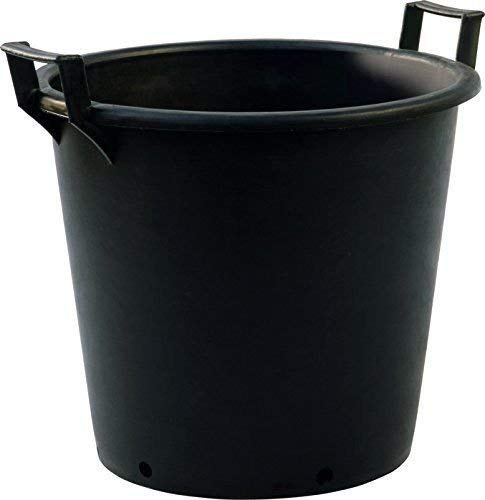
As your indoor protea grows, it may eventually outgrow its pot. Repotting should be done every two to three years, using fresh potting mix. Choose a slightly larger pot to give the roots room to expand. Be sure to handle the roots gently to avoid damage, as proteas have delicate root systems.
Encouraging Blooms
To encourage your indoor protea to blossom, ensure it receives adequate light, water, and nutrients. Be patient, as some varieties may take several years to flower. Once you see buds forming, maintain optimal care to support their development. Regularly deadheading spent flowers can also stimulate new growth and prolong blooming.