nurturing protea plants indoors easy steps for first timers
Protea plants are stunning and unique, making them an excellent choice for indoor gardening enthusiasts. These native South African plants are known for their striking flowers and interesting foliage. If you are a first timer looking to nurture protea plants indoors, this guide will provide you with essential tips to ensure your plants thrive.
Understanding Protea Plants
Before starting your indoor protea garden, it is important to understand what makes these plants special. Proteas belong to a family of flowering plants known as Proteaceae. They are adapted to grow in well-drained, sandy soils and prefer a dry environment. This means that replicating their native habitat is crucial for their success indoors.
Choosing the Right Pot and Soil
To begin, select a pot that promotes drainage. A clay or terracotta pot is ideal, as it allows for better air circulation compared to plastic pots. Ensure the pot has holes at the bottom to prevent water from accumulating. Next, fill the pot with a well-draining soil mix. A combination of sandy soil, perlite, and peat moss works well for proteas. Avoid using heavy soil that retains moisture, as this can lead to root rot.
People Also Look For:
- Unwins Pictorial Packet - Phlox Twinkle Stars - 200 Seeds
- KORAD 3D Sahara Plant Pots with Matching Saucers. Decorative Planters with Drainage Holes for Indoor and Outdoor. Available in 7 S...
- Dipamkar Set of 3 Galvanized Windowsill Herb Pots Metal Herb Planters Wth Saucer for Kitchen Window Indoor and Outdoor Use
- Homeuouz 25cm 2 Pack Self Watering Hanging Plant Pots, Plastic Hanging Baskets with 35 Oz Reservoir, Hanging Planters for Pothos, ...
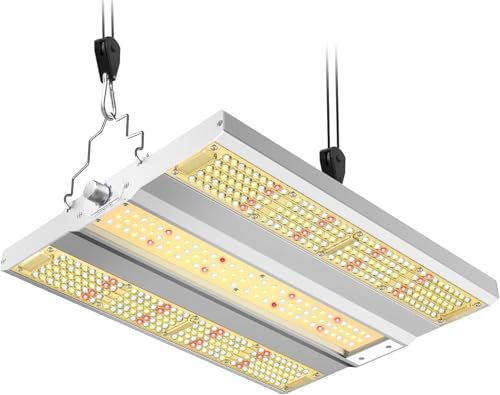
- VIPARSPECTRA P600 Grow Lights for Indoor Plants, Full Spectrum LED Grow Light with Dimmer for Hydroponic Commercial Greenhouse Hom...
Optimal Light Conditions
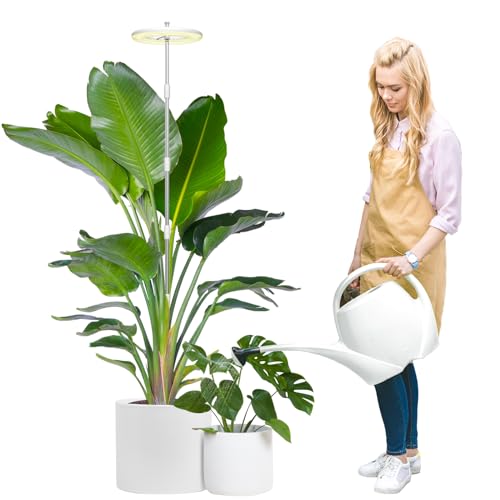
Protea plants thrive in bright, indirect light. Place your protea near a window where it can receive plenty of sunlight without being scorched. If you notice your plant stretching towards the light or showing signs of leggy growth, it may require more light. Grow lights can be a great addition if natural light is inadequate, especially during the shorter days of winter.
Watering Wisely
Watering is one of the most crucial aspects of care for protea plants. Allow the soil to dry out completely between waterings. Overwatering is a common mistake that leads to the demise of these beautiful plants. Check the moisture levels by inserting your finger into the soil. If it feels dry to the touch, it’s time to water. When you do water, make sure to do so until it drains from the bottom of the pot, ensuring the roots receive adequate moisture.
Humidity and Temperature Requirements
Protea plants prefer a drier environment, making them suitable for typical indoor humidity levels. However, they do benefit from occasional misting, especially if your indoor air is particularly dry. In terms of temperature, proteas thrive in temperatures between 15 to 25 degrees Celsius. Avoid placing them near drafts, heating vents, or air conditioning units, as extreme fluctuations in temperature can stress the plant.
Fertilising Your Protea
Fertilisation is essential for healthy growth but should be approached with care. Use a fertiliser specifically formulated for acid-loving plants, and apply it sparingly. Fertilise once in the spring and again in early summer, but avoid over-fertilising, which can harm the plant. Following the instructions on the fertiliser packaging is essential to avoid any potential issues.
Pruning and Maintenance
Regular maintenance, including pruning, is key to keeping your protea plant healthy. Remove any dead or wilted flowers to encourage new growth. Pruning can also help shape the plant and improve air circulation. Be cautious not to cut too much foliage, as this can stress the plant. Aim to prune in late winter or early spring before the growing season begins.
Common Pests and Diseases
While proteas are generally resilient, they can be susceptible to pests like aphids or spider mites. Regularly inspect your plants for any signs of infestation. If you notice pests, treat them promptly with insecticidal soap or neem oil. Additionally, ensure proper air circulation around your plant to prevent fungal diseases.